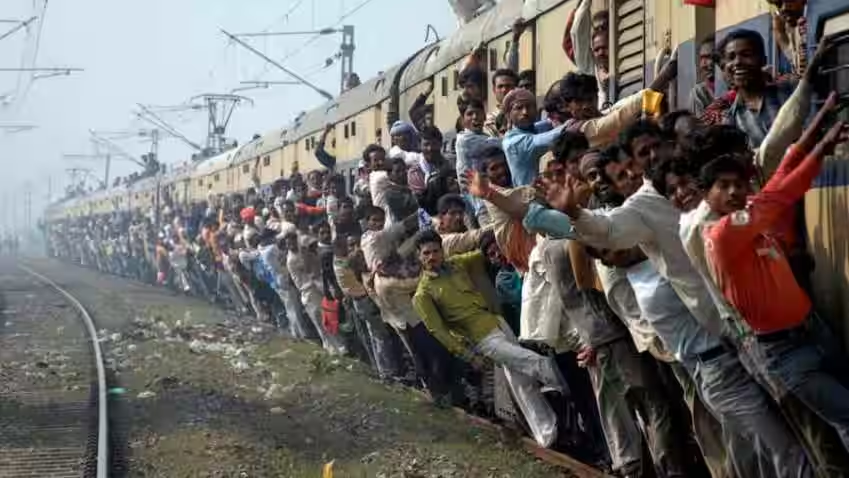
In 1798, the world population was just 800 million. I’m guessing the issue of overpopulation back then won’t hold a candle in a debate even for bored people. Yet, for Thomas Malthus, it is an urgent matter that needs to be discussed, something he believed would pose a big challenge for future generations. Lo and behold, a little more than 200 years later, that future is here. That future is now.
In 1960, the planet’s human population is 3 billion. And in just half a century, we managed to increase that figure more than double. Today, it stands at a staggering 8.2 billion, almost 3 billion of which are just from two countries: India [1.42 billion, 2022] and China [1.41 billion, 2022].
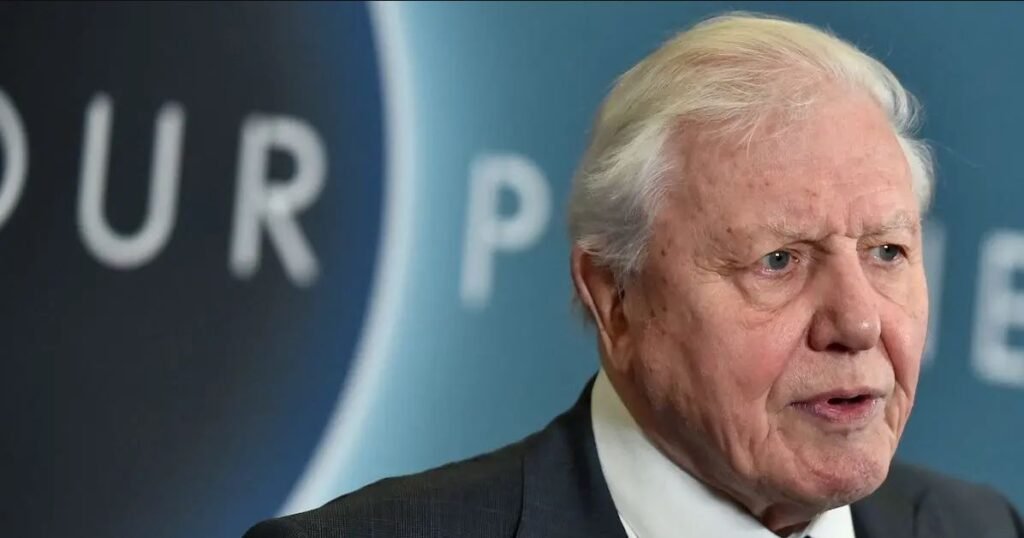
According to naturalist Sir David Attenborough, the Law Of Displacement dictates you can’t have two things in the same space at the same time. As our planet’s population increases by more than 80 million a year, 1.5 million a week, about a quarter of a million a day, the war for space becomes an everyday struggle. In a finite world, where some places are not suitable for living and most of the population are concentrated in metropolitan areas, living space becomes a commodity. This, and the issues of food production, the planet simply cannot cope, unless something is done.
If we are to safeguard the future, we have to come up with new policies and innovations. New building designs, technologies to double agricultural production, family planning protocols. But the most important tool to curve overpopulation is simple – education. Education is everything in this war. It empowers people, women especially, it creates solutions, it solves problems.
And no, on the issue of overpopulation, let’s not talk about religion.
One response to “AN ESSAY ON THE PRINCIPLE OF POPULATION”
koxukogxmsqwhjodyipxeplqitefpn